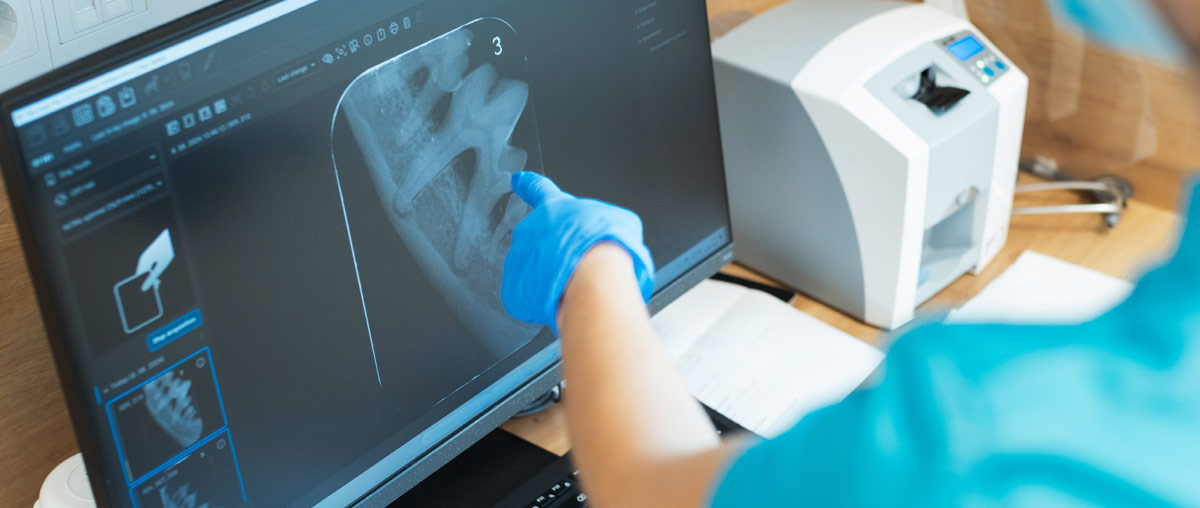
Looking at the tooth only tells part of the story.
When we look inside your pet’s mouth, we can clearly see the crowns of the teeth – the part above the gumline.
But a huge amount of the story sits underneath the surface; the roots, surrounding bone, tooth sockets and hidden areas below the gumline can tell us a lot about what is really going on – and that is where some of the biggest dental problems like to hide!
When it comes to providing the truest solution, dental X-rays are such an important part of modern veterinary dentistry. They help us see the full picture, enable us to make better decisions and give your pet the care they actually need – not just the care we can guess from the surface.
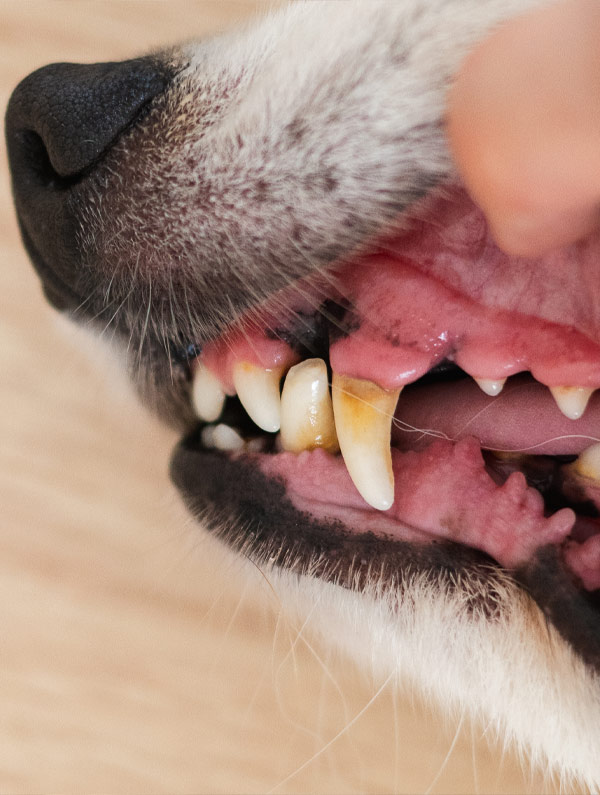
Red Flag Warning Signs to look out for include:
- Bad breath
- Bleeding gums
- Loose or missing teeth
- A change in eating habits
- Pawing at the mouth
- Facial swelling
- Broken teeth
- Previous dental issues
- Signs of discomfort when chewing
- Heavy tartar or gum inflammation
- Drooling or excessive salivation
- We’re firm believers that vet visits shouldn’t feel like a battle – they should feel safe.
And sometimes, there are no obvious signs at all. Helpful, as ever.
Why dental X-rays matter
Pets are very good at hiding their discomfort and carrying on as normal, even when their mouths are really quite sore. They may still eat. They may still play. They may still give you that “absolutely nothing to see here” face while quietly dealing with pain , infection or dental disease.
A visual check can tell us a lot, but it cannot show us everything. In some cases the exact same symptoms on the surface can still equate to different answers underneath – check out our recent blog on Tubs & Axle for an example of that!
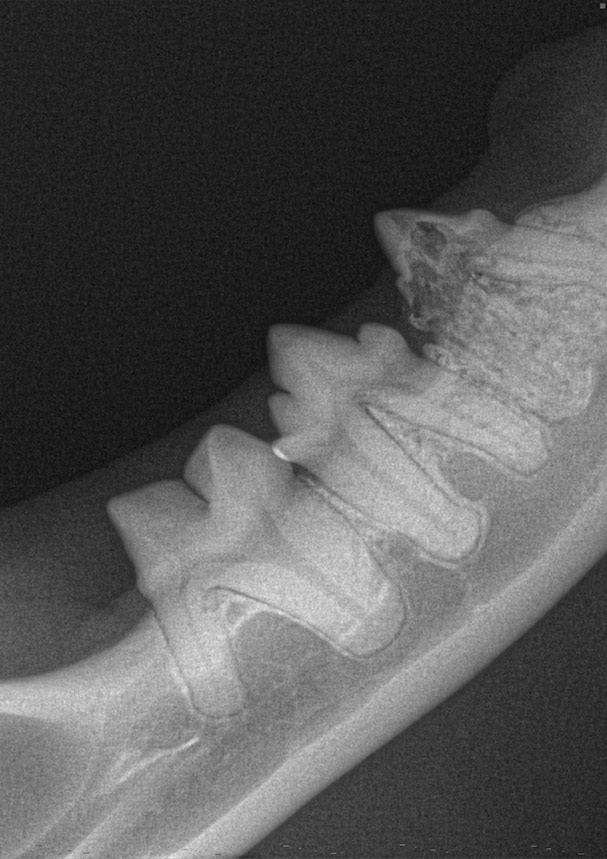
Dental X-rays allow us to look beneath the gumline and assess things like:
- Tooth roots
- Bone loss
- Hidden infection
- Abscesses
- Fractured teeth
- Retained roots
- Teeth that have not erupted properly
- Damage that is not visible from the outside
This helps us decide whether a tooth can be safely left alone, needs treatment, or should be removed to prevent further pain and problems down the line. It is also important to help plan extractions, it is not uncommon for roots to have unusual shapes or a tooth to have more roots than expected! (Can provide pictures).
Our new dental surgery
We’re always looking for ways to grow our pet care offering, expertise and fear-free approach. Our brand new dedicated dental surgery gives us a space to provide thorough, modern dental care using dedicated equipment, careful anaesthetic monitoring, dental radiography, pain relief and a clear personalised and proactive plan for each pet in our care.
Behind every dental procedure is a team looking at the details: how your pet is coping, what the X-rays show, which teeth are healthy, which teeth are causing problems and what treatment will give them the best outcome.
What happens if your pet needs dental X-rays?
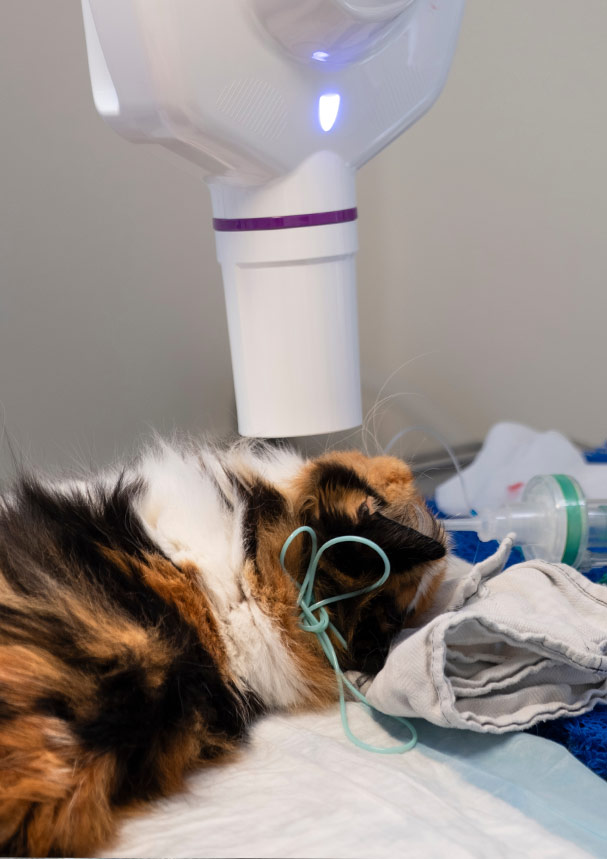
Dental X-rays are taken while your pet is under anaesthetic as part of a dental procedure. This allows us to position the mouth safely and accurately, take clear images and carry out any treatment needed without causing stress or discomfort. We can then refer to the x-ray throughout their surgery to make sure we’re on track with the right course of action.
Before any procedure, we will talk you through what to expect. If extractions are needed, X-rays help us understand the tooth roots and surrounding bone before we proceed. They can also help confirm that a tooth has been fully and safely removed.
In true All Pets fashion, we will explain what we find, what it means and what we recommend next. No dramatic dental mystery novel required – although the X-rays do often reveal a plot twist.
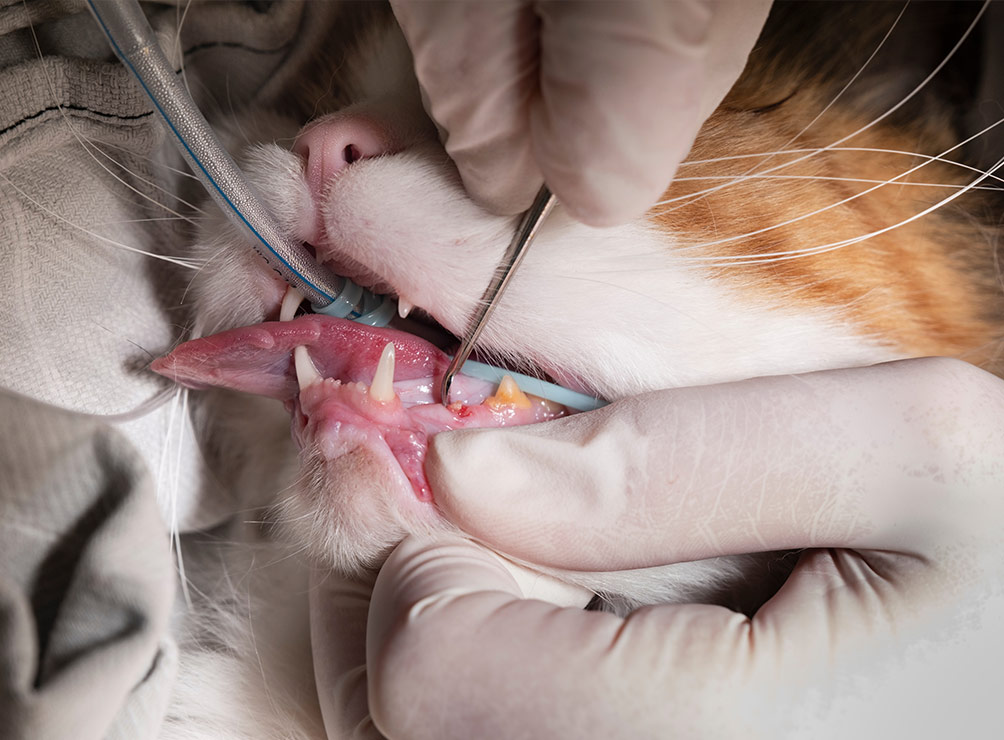
Staged Dentistry
It is routine for us to perform dentistry under two distinct stages. The first stage involves the complete oral health assessment with dental x-rays, probing and charting under general anesthesia followed by a thorough descale and polish. Extractions and advanced periodontal treatment is planned during this stage, and where time allows some or all of this second treatment stage may be completed. However, for anaesthetic safety it is not uncommon for some or all of this treatment stage to be carried out on a separate day.
Why early dental care is kinder
At All Pets, we recommend starting routine home dental care from a young age, just as our dentists recommend to us. Dental disease can be painful, but pets do not always make it obvious. By spotting problems earlier, we can often help prevent discomfort, infection and more complicated treatment later on.
Dental care is not just about teeth. It can affect how your pet eats, plays, sleeps, behaves and feels day to day. And if you have ever had toothache yourself, you will know exactly why we take it seriously.
Worried about your pet’s teeth?
If your pet has bad breath, visible tartar, sore-looking gums, broken teeth or a change in eating habits, it is worth booking a dental check. And if you are not sure whether something is normal, just ask us.
You know your pet best. We are here to take a proper look, explain what we can see – and, with dental X-rays, what we cannot see from the surface.
Concerned about your pet’s teeth?
Book a dental check with All Pets and let’s take a proper look beneath the surface.