
Taking Space for the Hardest Goodbye
Saying goodbye to a pet is one of the hardest parts of loving them.
It is emotional, deeply personal, and often full of questions that do not have simple answers. How do you know when it is time? Are they still enjoying the things that matter most to them? Are they comfortable? Are they still able to connect with their people in a meaningful way?
At All Pets, we believe these conversations deserve time, space, and gentle guidance – never pressure.
Our end-of-life care is about supporting families through the stage where the focus begins to shift from trying to cure illness to prioritising comfort, dignity, and quality of life. We are here to help you understand what your pet may be experiencing, explore what support is available, and make decisions that feel right for both your pet and your family.
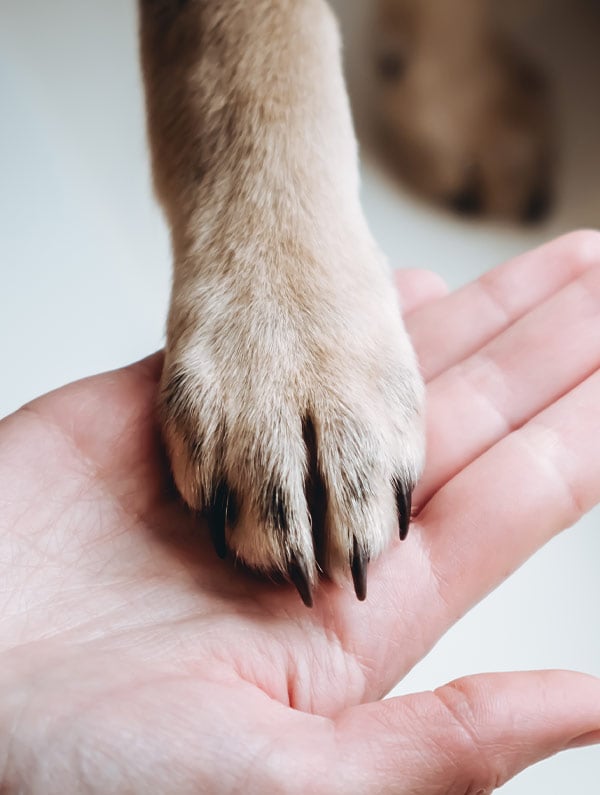
The space between head and heart
When a much-loved pet is nearing the end of their life, it can feel like a constant tension between what you know and what you feel. Your head may be noticing changes – less energy, more discomfort, or a decline in day-to-day function. Your heart may still be hoping for more time, more good days, more moments together.
That conflict is completely normal.
These decisions are never easy, and they should never feel rushed or forced. Our role is to help you slow things down, understand what may be happening medically, and gently explore what your pet’s quality of life looks like in real terms.
We may talk through things like pain levels, mobility, appetite, breathing, sleep, and overall comfort. Just as importantly, we also look at what your pet still enjoys – whether that is a short walk, lying in a favourite spot, eating something special, or simply being close to you.
Because the question is not only “are they still here?”
It is “are they still able to experience comfort, connection, and the things that matter to them?”
Planning before it becomes a crisis
Many people hope their pet will pass peacefully in their sleep. Sometimes that does happen, but often it does not unfold that way.
Without early conversations, families can find themselves making urgent decisions during a crisis – when a pet has suddenly deteriorated, is in significant discomfort, or can no longer cope with daily life.
Talking about end-of-life care early does not mean you are giving up.
It means you are giving yourself time.
Time to ask questions. Time to understand what changes to expect. Time to think about what feels kindest for your pet. And time for us to support you in building a plan that reflects your wishes and your pet’s needs.
That plan may evolve as things change – and that is okay. What matters is that you are not having to make every decision under pressure.

Comfort-focused care still matters
When a pet is approaching the end of their life, care does not stop – it changes focus.
At this stage, the priority becomes comfort, stability, and reducing distress wherever possible.
We can support you with palliative and comfort-focused care, which may include pain relief, medication adjustments, changes to routine, or practical advice on making your home environment easier for your pet to navigate. We can also help you recognise subtle signs of discomfort or decline, so you feel more confident in what you are seeing.
This stage is not about doing everything possible to extend life at all costs.
It is about doing what is kindest for the time your pet has now – helping them feel safe, supported, and as comfortable as possible.
Understanding quality of life together
One of the most important parts of end-of-life care is understanding quality of life in a balanced, honest way.
This is not a single moment or decision – it is something we look at over time.
We may help you reflect on questions such as:
- Is your pet still able to rest comfortably?
- Are they still interested in food, interaction, or their surroundings?
- Are there more difficult days than good ones?
- Are they still able to do the things that make them feel like themselves?
We also recognise that every pet is individual. What matters most to one animal may be different for another, and what feels acceptable for one family may not feel the same for another.
There is no judgement in these conversations – only guidance, clarity, and support.
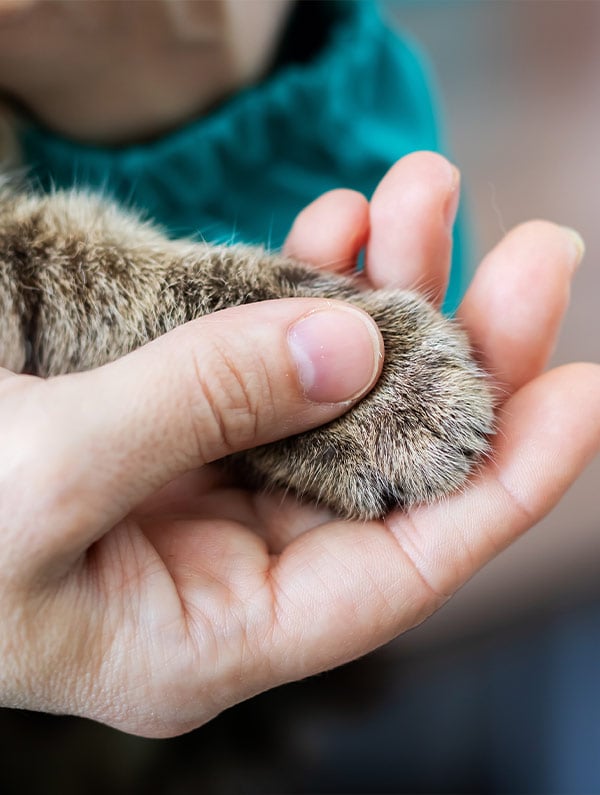

Choosing the right place and approach
Every pet is different, and so is every goodbye.
For some pets, coming into the practice may feel familiar and manageable. They may feel reassured by the environment and the people they know.
For others, travel, unfamiliar surroundings, or clinical settings may feel overwhelming or distressing.
Where appropriate, we can talk through options such as home-based care or other arrangements that may feel more peaceful for your pet and your family. This might mean being in a favourite room, in the garden, or somewhere they feel most relaxed and secure.
Our role is to help you think through what is realistic, what is safe, and what will best support your pet’s comfort and dignity.
Supporting the whole family
End-of-life care is never just about the pet – it is about everyone who loves them.
Some people want detailed information about what to expect. Others need time to process things slowly. Some families want to talk through aftercare options in advance so they are not making decisions in the moment of loss.
We will guide you through each step gently and clearly, making sure you feel informed but never overwhelmed.
There is no perfect way to say goodbye.
But there can be a supported, thoughtful, and compassionate way to approach it.
When should you talk to us?
If you are starting to wonder whether your pet may be nearing the end of their life, that is enough reason to reach out.
You do not need certainty. You do not need a final decision. You may simply need someone to help you make sense of what you are seeing.
You can start the conversation by saying, “I think we need to talk about what comes next.”
We can help you understand your pet’s quality of life, explore comfort care options, and plan ahead so that if the time comes, you are not facing it alone or unprepared.
Because saying goodbye is never easy.
But you do not have to go through it without support.