…and why you don’t want to live there!
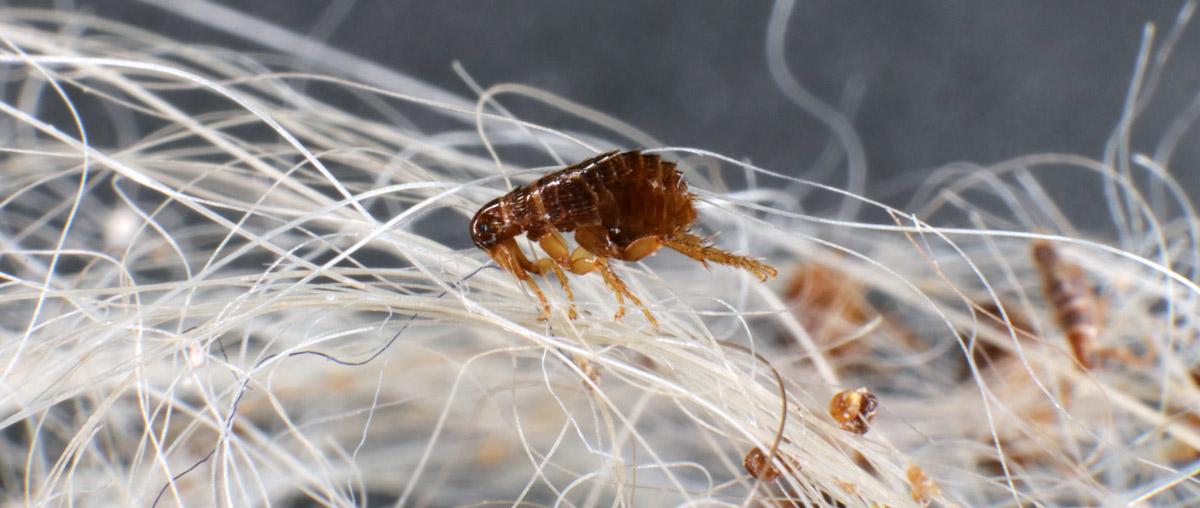
Ever heard of a flea circus? Tiny performers, jumping through hoops, multiplying behind the scenes – it all sounds quite entertaining… until it’s happening in your home. Because here’s the reality: all it takes is one flea to start an infestation.
That single flea jumps on your pet, has a feed… and within 24 hours, the foundations of what we like to call “Flea City” are already being laid. And once they’re in? They don’t just visit – they settle in.
The hidden reality: most fleas aren’t on your pet
One of the biggest surprises for pet owners is this: Around 95% of a flea infestation lives in your home – not on your pet.
What you might spot on your dog or cat – those tiny brown jumping insects – are just the tip of the iceberg. Behind the scenes, there’s a whole lifecycle developing:
- Eggs, almost invisible to the eye
- Larvae, burrowed deep into dark spaces
- Pupae, wrapped in protective cocoons
These stages are quietly progressing in your carpets, sofas, bedding and floorboards – often completely unnoticed.

How Flea City takes over (faster than you think)
Preventative care at All Pets is tailored to your pet’s age, breed, lifestyle, and personality. Here’s what it covers:
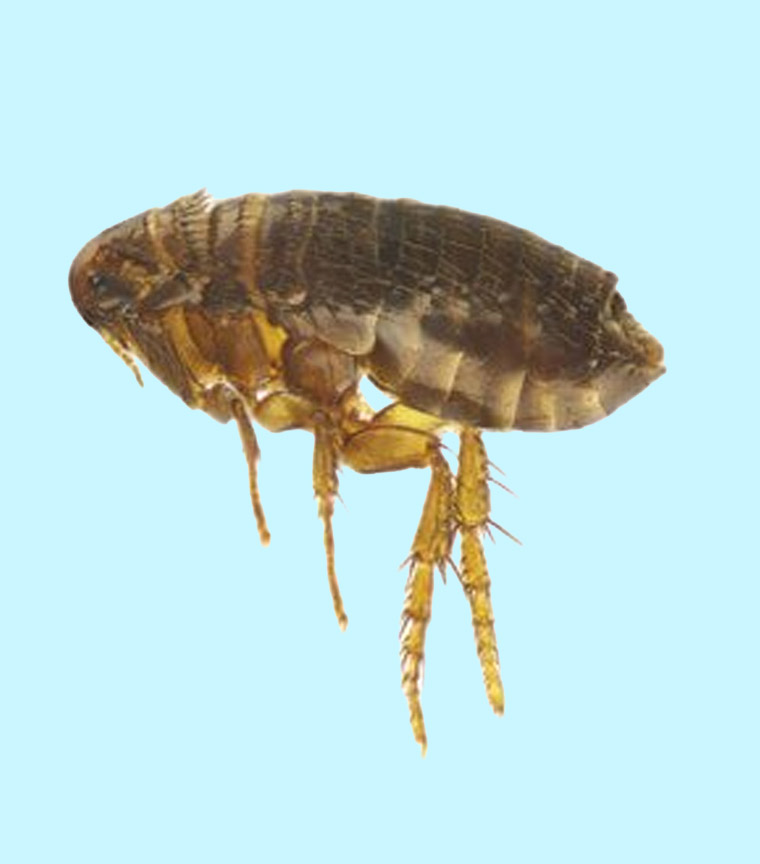
Once an adult flea has its first blood meal, things escalate quickly. Within a day, it can begin laying eggs – up to 50 per day. Those eggs don’t stay neatly on your pet. Instead, they fall off wherever your pet goes:
- Their bed
- Your sofa
- Carpets and rugs
- Cracks and corners of your home
From there, larvae hatch and instinctively avoid light, burrowing into soft furnishings and hidden spaces where they feed and grow. Eventually, they spin cocoons – and this is where fleas become particularly difficult to tackle.

Where to look: the places fleas love
Fleas aren’t random – they’re strategic. They thrive in warm, dark, undisturbed environments, particularly where your pet spends time. Common hotspots include:
- Pet bedding and blankets
- Sofas and soft furnishings
- Carpets and rugs
- Floorboard gaps and skirting edges
- Car interiors (often overlooked)
Eggs themselves are extremely small – often compared to grains of salt – making them almost impossible to spot without close inspection.
Spotting the signs on your pet
Not every pet will show obvious signs straight away, but there are some key things to look out for.
You might notice:
- Increased scratching, licking or biting
- Restlessness or changes in behaviour
- Small black specks in the coat (known as “flea dirt”)
- Patchy hair loss or irritated skin
Some pets are particularly sensitive and can develop flea allergy dermatitis, where even a single bite leads to significant discomfort.

Do fleas affect humans?
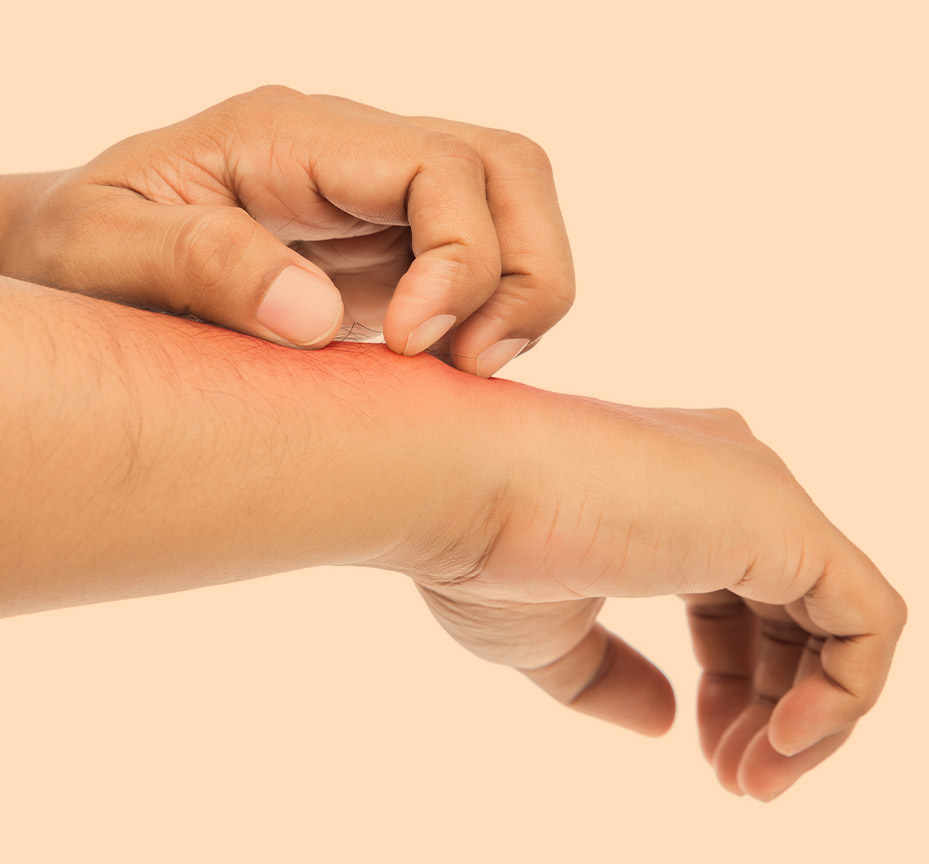
While fleas don’t live on humans in the same way they do on pets, they’re not shy about biting us. You might notice small, itchy bites – often around ankles or lower legs.
More importantly, fleas can carry diseases and parasites that pose risks beyond just irritation. So when we talk about flea control, it’s not just about your pet’s comfort – it’s about protecting the whole household.
Breaking the cycle: why treatment needs a full approach
One of the biggest challenges with fleas is that treating only what you can see simply isn’t enough. To properly tackle an infestation, you need to break the entire lifecycle. That means:
- Treating your pet with effective, vet-recommended products
- Cleaning your home thoroughly and consistently
- Continuing treatment long enough to catch emerging fleas


Prevention: the simplest (and smartest) solution
Here’s the honest truth: Once fleas are established in your home, it can take up to three months to fully eliminate them. Which is why prevention is always the better route. At All Pets, we recommend:
- Year-round flea protection
- Regular health checks
- Tailored advice based on your pet’s lifestyle
Because every pet – whether they’re outdoors every day or mostly curled up on the sofa – is at risk.
Making it easy: our Pet Health Plans
We know life gets busy – and remembering treatments isn’t always straightforward. That’s why our Pet Health Plan includes ongoing parasite prevention, helping you stay on top of flea control without the stress. It’s simple, proactive, and designed to keep your pet protected all year round.
Final Thought
Fleas don’t need much to get started.
Just one opportunity. One missed treatment. One unnoticed hitchhiker.
And suddenly, Flea City is under construction.
The good news? With the right approach, you can stop it before it starts.
Book a preventative health appointment today here. Or message us on PetsApp – we’re always happy to help keep tails wagging and whiskers twitching.
The All Pets Team 🐾