
Listening to What Your Pet Can’t Say Out Loud
March is Pet Anxiety Month – a timely reminder that anxiety in pets isn’t “bad behaviour” or a quirky personality trait. It’s communication. And because All Pets is built around a Fear Free philosophy, it’s something we care about deeply: not as an add-on, but as part of good veterinary care.
Anxiety can look loud (barking, trembling, hiding)… but it can also be quiet. Some pets “cope” by shutting down, freezing, licking their lips, over-grooming, refusing food, or becoming unusually clingy. If you’ve ever thought, “They’re just being weird today” – this blog is your gentle nudge to look closer.
What can cause anxiety in pets?
Pets can feel anxious for lots of reasons, and it’s not always the obvious “big bang” events. Common triggers include:
- Noises (fireworks, storms, construction work, traffic)
- Change of routine (new job hours, school runs, visitors, holidays)
- New environments (moving house, renovations, kennels/catteries)
- Health issues or pain (especially in older pets – discomfort can change behaviour fast)
- Separation (even in pets who seem independent)
- Social pressure (busy dog walks, unfamiliar animals, too much handling)
PDSA’s guidance on nervous dogs highlights how stress can show up through subtle body-language signs, not just obvious fear responses.
Signs you might not realise are anxiety
Dogs
We all know trembling and tail-tucking – but stress can also look like:
- lip licking / yawning when not tired
- panting when it isn’t hot
- “whale eye” (showing the whites of the eyes)
- pacing, restlessness, inability to settle
- sudden reactivity, barking, or pulling away
PDSA notes that behaviour and body language are key clues when dogs are feeling nervous or anxious.
Cats
Cats often go into stealth mode when they’re stressed:
- hiding more than usual
- swishing tail, crouched posture, flattened ears
- over-grooming (or grooming less)
- changes in appetite or litter tray habits
- becoming less tolerant of touch
Cats Protection lists common stress signals like hiding, crouching, flattened ears, dilated pupils and tail swishing.
Rabbits & small furries
Small pets are masters of looking “fine”… until they’re not. Anxiety can show up as:
- freezing, thumping, or bolting
- refusing food
- being unusually aggressive or unusually withdrawn
- not wanting to be handled
The UK’s RSPCA guidance notes how rabbits can become stressed by handling and environmental factors, and why watching behaviour changes matters.
(For birds and reptiles, anxiety often shows through changes in appetite, activity, posture, hiding, and interaction – if you’re noticing a shift, it’s worth checking in with your vet.)

How you can help at home (Fear Free style)
A Fear Free approach isn’t about making life “perfect” – it’s about helping your pet feel safe, predictable, and understood.
1) Reduce the pressure
If your pet is anxious, avoid forcing interaction. Give them space, allow hiding, and let them choose to approach you.
2) Create a “safe base”
Set up a calm zone (quiet room, covered crate, bed behind furniture, cat igloo) with familiar smells and minimal traffic.
3) Reward calm, don’t reward panic
Treats are brilliant – but aim to reward settling behaviours (lying down, relaxed body language), not frantic escalation.
4) Keep routines steady
Regular feeding times, consistent walks, predictable bedtimes – small routines can be hugely regulating.
5) Consider supportive products (when appropriate)
For some pets, pheromone support can be helpful as part of a wider plan (not as a magic fix). At All Pets we stock Feliway adaptors (plug-ins) for cats — often used to support calmer behaviour at home.
6) Dog’s Trust Desensitisation Sound Therapy Firework Training
When to speak to a vet
If anxiety is new, worsening, or paired with appetite changes, toileting changes, aggression, or withdrawal – it’s important to rule out pain or medical causes first.
And if you need extra support beyond the clinic, we can also point you towards reputable behavioural help (because training and behaviour advice should be as professional as medical care).
At All Pets, we focus on:
- longer consults so nobody feels rushed
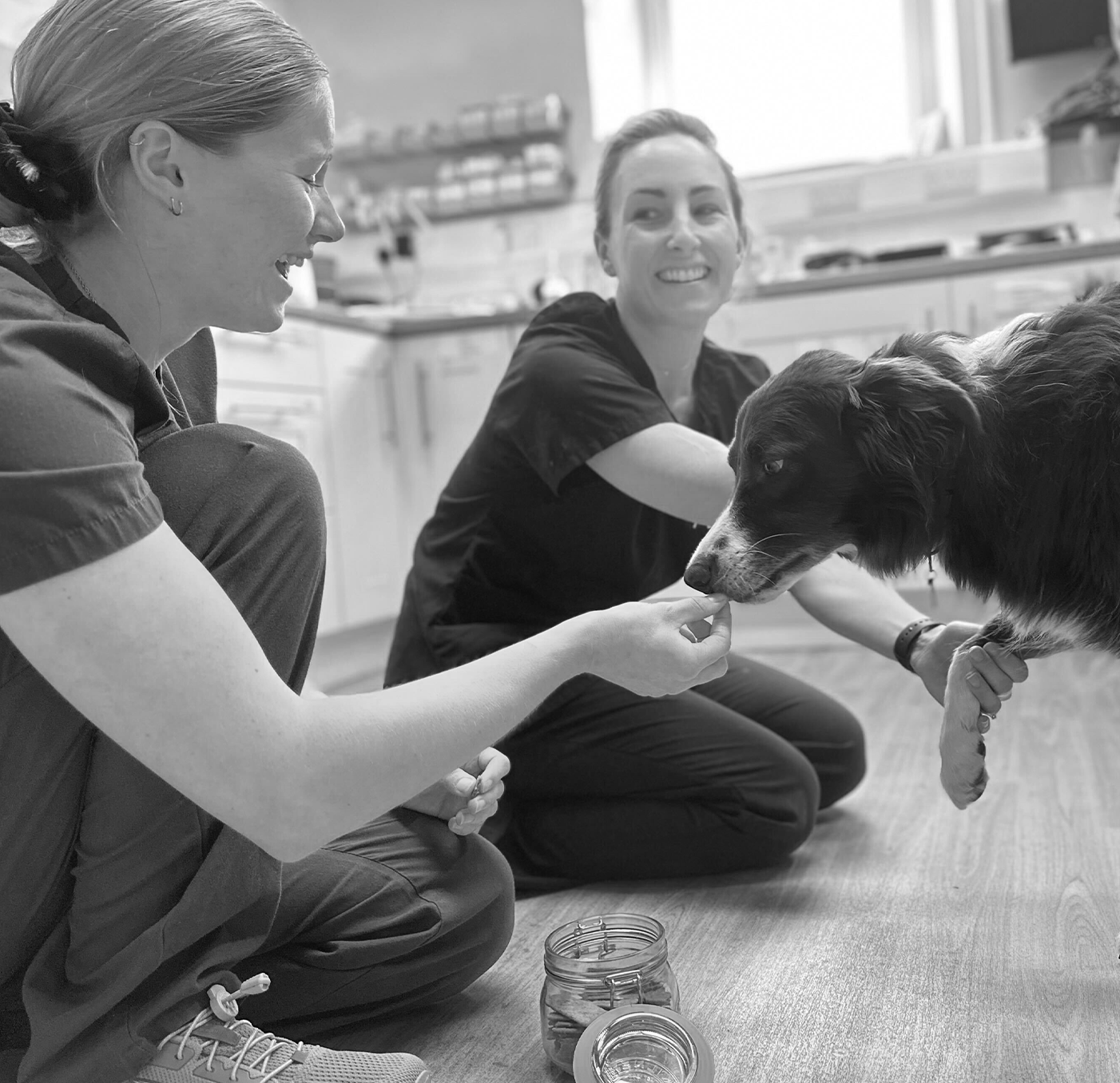
- Fear Free handling and low-stress options
- and, where it helps, home visits for pets who find travel overwhelming
If you’re concerned – even if you’re not sure it “counts” – reach out. You know your pet best. We’ll help you translate what they’re trying to say.
The All Pets Team 🐾