
Antifreeze, Gritted Roads and Cold-Weather Hazards
Helping your pets stay safe, comfortable and Fear-Free this winter.
Winter brings many things our pets love – cooler walks, exciting new smells carried on crisp air, and plenty of muddy adventures. But alongside the seasonal charm come a number of hidden risks that can affect pets more quickly than many owners realise. Each year, veterinary practices across the UK see preventable winter emergencies linked to antifreeze exposure, gritted roads, and cold-weather conditions. With a little awareness and a few simple habits, most of these risks can be avoided, helping pets stay comfortable and safe throughout the colder months.
Antifreeze: A Small Amount Can Be Dangerous
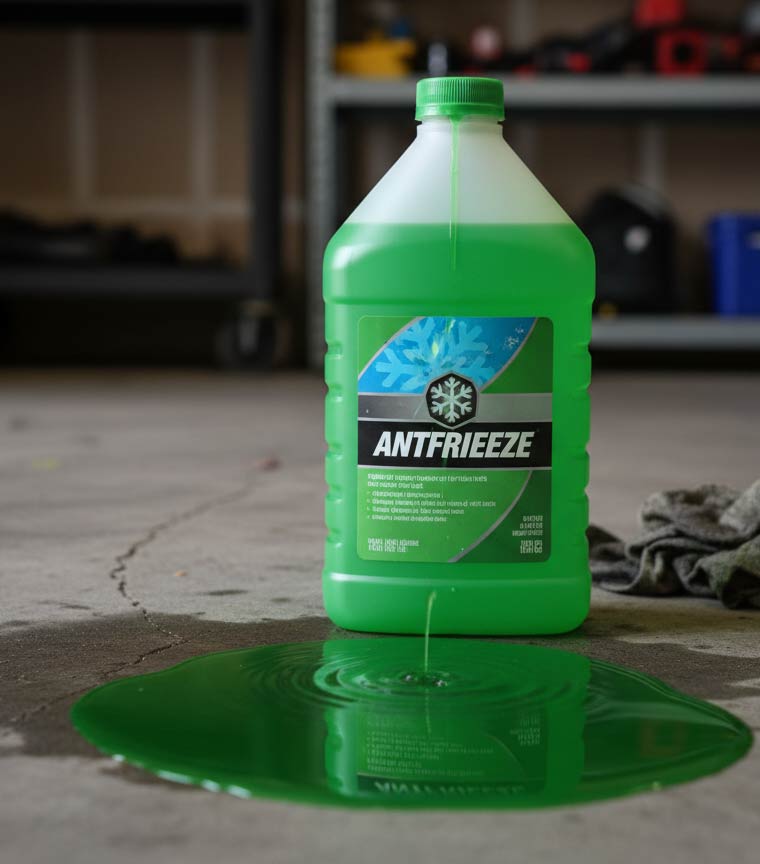
One of the most serious winter hazards for pets is antifreeze poisoning. Antifreeze and some screenwash products contain ethylene glycol, a chemical that is extremely toxic to both dogs and cats. Even a very small amount – sometimes just a few licks – can be life-threatening. Unfortunately, antifreeze has a slightly sweet taste, which means animals may ingest it from small puddles, garage floors, leaking vehicles, or spilled containers without owners noticing.
Early symptoms can appear within hours and may include:
- Vomiting
- Lethargy or unusual sleepiness
- Wobbliness or unsteady walking
- Excessive thirst
- Increased urination
As poisoning progresses, kidney failure can develop, which is why immediate veterinary attention is essential if exposure is suspected – even if symptoms seem mild at first.
Practical prevention tips
- Store antifreeze and automotive fluids securely and well out of reach
- Clean up spills immediately, even small drips on driveways or garage floors
- Regularly check vehicles for leaks during colder weather
- Avoid allowing pets to drink from puddles near parked cars or driveways
Being aware of this risk is one of the most important steps in protecting pets during winter.
Cold Weather & Temperature Sensitivity
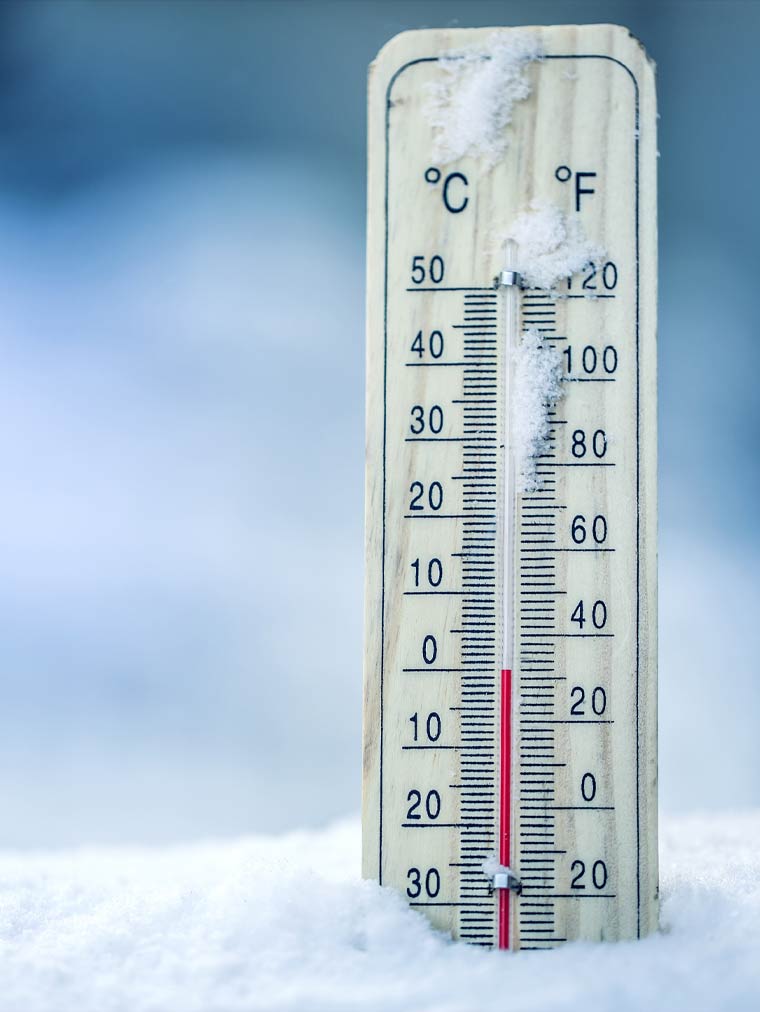
Not all pets tolerate winter temperatures in the same way. Smaller breeds, short-haired dogs, elderly animals, and pets with underlying health conditions may struggle more in colder weather. Wind chill can also make coastal environments feel significantly colder than the temperature suggests. Pets who appear comfortable at the start of a walk may begin to feel cold sooner than expected, particularly if they become wet.
In snowy or icy conditions, ice balls can sometimes form between paw pads or in longer fur, causing discomfort while walking. Regularly checking paws during longer outings can help prevent this.
Helpful winter care tips
- Keep walks slightly shorter during very cold or windy conditions
- Dry pets thoroughly when returning home, especially paws and underbelly
- Provide warm bedding away from draughts
- Use coats for smaller or short-haired dogs where appropriate
- Monitor older pets for stiffness, as arthritis symptoms can worsen in cold weather
A Preventative, Fear-Free Approach
At All Pets, our Fear-Free philosophy focuses on prevention wherever possible. Many winter emergencies can be avoided with simple awareness and preparation, helping pets stay calm, healthy and comfortable throughout the season. Preventative care also reduces the stress associated with unexpected veterinary visits – for both pets and their owners.
If your pet shows unusual symptoms after a walk, appears unwell, or you suspect exposure to antifreeze or chemicals, contacting your veterinary practice promptly is always the safest course of action. Early advice can make a significant difference to outcomes and helps ensure pets receive care quickly if needed.

Quick Winter Safety Checklist
Winter should be a time for cosy evenings, fresh-air adventures and wagging tails – not avoidable emergencies. With a few simple precautions and a little seasonal awareness, you can help ensure your pets enjoy the colder months safely and comfortably. If you ever have questions about winter health risks or want advice tailored to your pet’s lifestyle, our team is always here to help.
The All Pets Team 🐾